How sports culture quietly reshaped luxury living at home
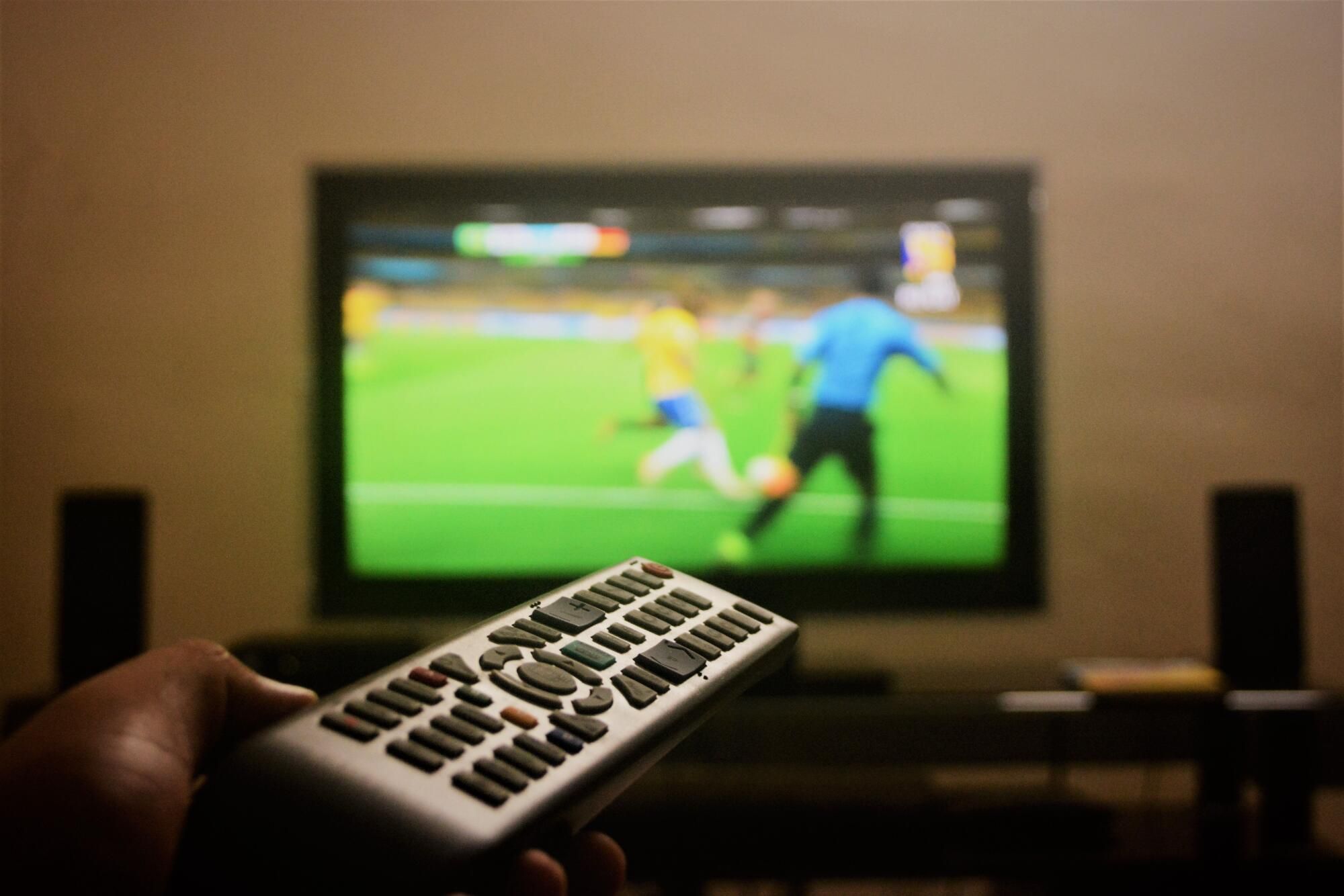
Sports viewing habits have reshaped luxury living at home, driving demand for large-format screens, open sightline seating, outdoor kitchens, and at-home recovery spaces.
When did the best seat for a game stop being in the stadium?
Ticket prices climbed, parking got worse, and the broadcast got better. Somewhere in that stretch, a lot of fans decided the couch was winning, and they started spending accordingly.
The influence of sports on home design turns up in how houses get built and renovated now. Sound systems sized for crowd noise, seating arranged so nobody ends up behind anybody, and kitchens that open onto the patio where everyone stands on a Sunday afternoon anyway.
The Living Room Became a Venue
It looks like screens got bigger and cheaper at the same time.
Living rooms reorganized around them, and an 85-inch panel that cost five figures a decade ago now sits within reach of a mid-range renovation budget.
The seating changed with it, too. Sectionals replaced facing sofas so nobody watches with their back to the game, and sightlines started influencing furniture placement the way they influence stadium design.
Sound came last and matters more than the picture does. Crowd noise carries the atmosphere of a live event, which is what separates sports-inspired interiors from a room with an expensive television in it.
Hosting Moved Outside
The backyard is now built to hold a crowd rather than to look good from the kitchen window. Game day gravitates outdoors in warm-weather months, and homeowners have stopped fighting it.
An outdoor kitchen does most of the work here. Cooking where the guests already are removes the trips back and forth that leave the host missing half the game, and outdoor kitchen installation in Yorkville, IL, has moved from luxury add-on to standard renovation request as a result.
Weather-rated screens and covered seating extend the season on both ends. A roof and a heater make the space usable in November, which adds months to the useful life of the whole setup.
Recovery Culture Came Home
Athlete routines went public over the last decade, and the equipment followed into ordinary houses. Anyone looking for home design inspiration can now find a converted garage holding gear that used to live in a team facility.
What turns up most often:
- Saunas, both traditional and infrared
- Cold plunge tubs, often paired with the sauna
- Home gyms built around free weights instead of machines
- Massage guns, compression boots, and other portable recovery gear
- Dedicated stretching or mobility space with proper flooring
The appeal runs past fitness. Twenty minutes of heat after a long week gives someone a reason to stay home on purpose.
Sports Culture Redefined Luxury Living at Home
Sports culture pushed home design toward things that get used: screens people actually watch, kitchens where the crowd already stands, recovery spaces that see traffic on a Tuesday. The luxury living vibe it produced is measured by how often a room earns its square footage versus how it looks empty.
Tune in to 1075 The Fan for more sports coverage, analysis, and conversation.