Why even spotless homes can end up with a cockroach infestation
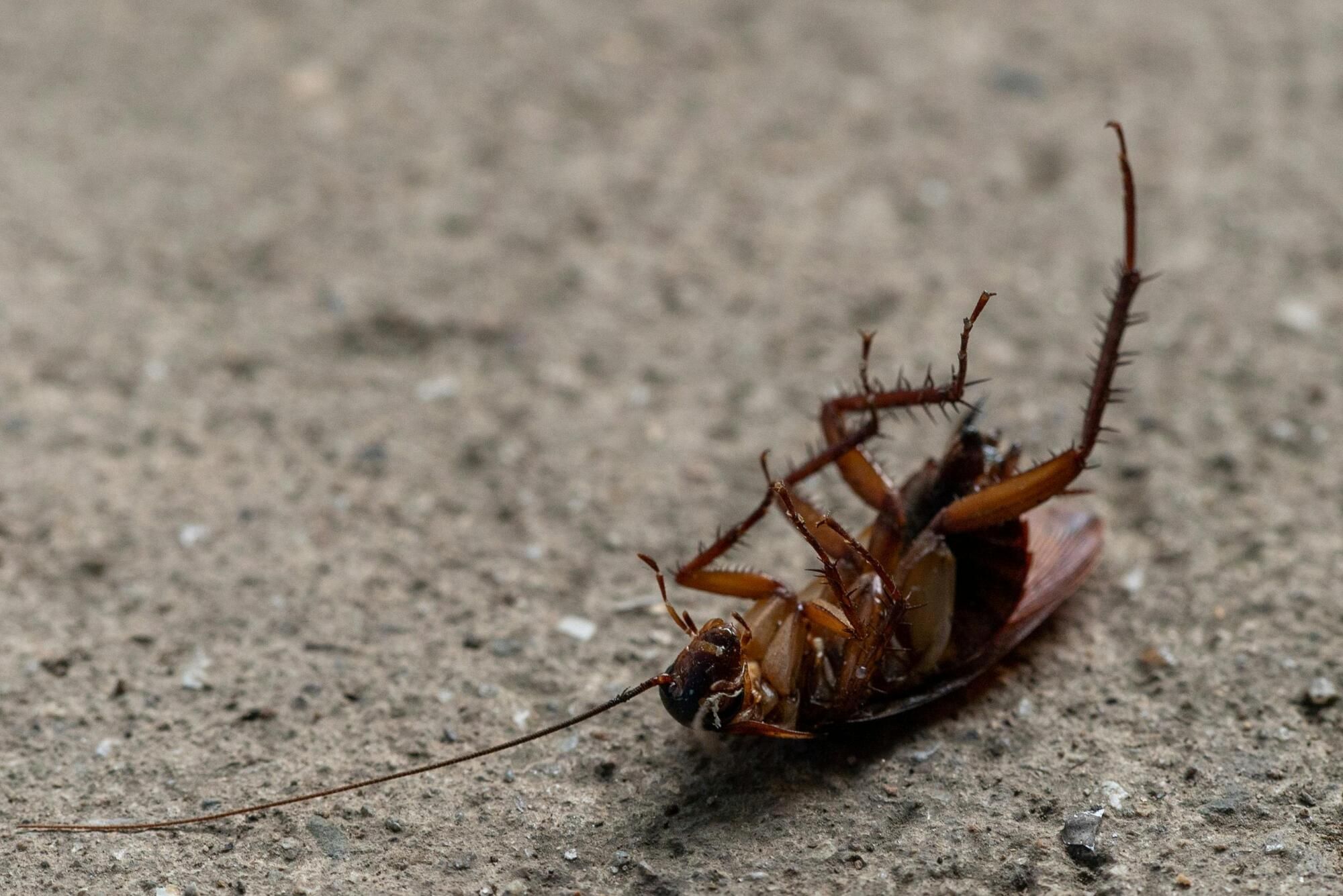
A spotless home can still develop a cockroach infestation because roaches are drawn to moisture, warmth, shelter, and small food sources, factors that have little to do with tidiness. A crack around a pipe, an unused drain, or a slow leak under the sink is often enough to invite them in.
Nearly one in four U.S. homes showed signs of cockroaches, rats, or mice within a single year, according to the U.S. Census Bureau’s American Housing Survey. That number includes immaculate houses right alongside cluttered ones, since roaches care more about what’s behind your walls than what’s on your counters. Knowing where they slip in is the first step toward a roach-free home.
How Are Roaches Getting Into Your Clean Home?
Roaches slip into a house through gaps most people never really notice. A crack near a window, a loose baseboard, or an unused drain can open a path inside, and the gap does not need to be very big. These hidden routes help explain why homes get cockroaches even after every visible crack gets sealed.
Roaches ride inside items that seem harmless too:
- Used furniture pulled from storage units
- Delivery boxes left on the porch overnight
- Potted plants brought indoors for winter
- Grocery bags reused without a wash
What’s Attracting Roaches If You’re Already Clean?
A home can still look spotless and offer roaches everything they want. Warmth, moisture, and small food sources hide behind walls and under appliances, and that pattern actually shows the link between clean homes and pests. A slow leak under the sink or grease behind the stove can often feed a colony for weeks without ever showing on the surface.
Why One Roach You See Could Mean Many You Don’t
Roaches hide during the day, so seeing just one at night rarely tells the full story. An egg case can hold close to fifty eggs at once, so one sighting can point to a much bigger population rather quickly.
Droppings that look like coffee grounds or roaches seen in daylight usually signal one of the hidden cockroach dangers homeowners tend to miss.
How to Prevent and Control a Cockroach Infestation
Preventing cockroach infestations usually comes down to cutting off water, food, and shelter before roaches settle in. Fixing leaks, sealing gaps, and drying out damp spots each remove a reason for roaches to stay, and these steps tend to work best together.
A few more steps can help you eliminate cockroaches already inside:
- Place gel bait in cracks near sinks
- Set sticky traps along baseboards to track activity
- Skip broad sprays that scatter roaches into new spots
- Call a licensed home pest control company after repeat sightings
Keeping Roaches Out for Good
Cockroaches move into homes because of moisture, shelter, and food access factors that have little to do with dirt or clutter. Even the tidiest kitchen can host a cockroach infestation when a pipe leaks or a gap goes unsealed near a wall. Sealing entry points, drying damp areas, and using sticky traps helps keep roaches out, and a pest professional can step in when signs point to a larger population.
Explore our website for more ideas on how to pest-proof your home.