Career-ending injuries that changed sports history

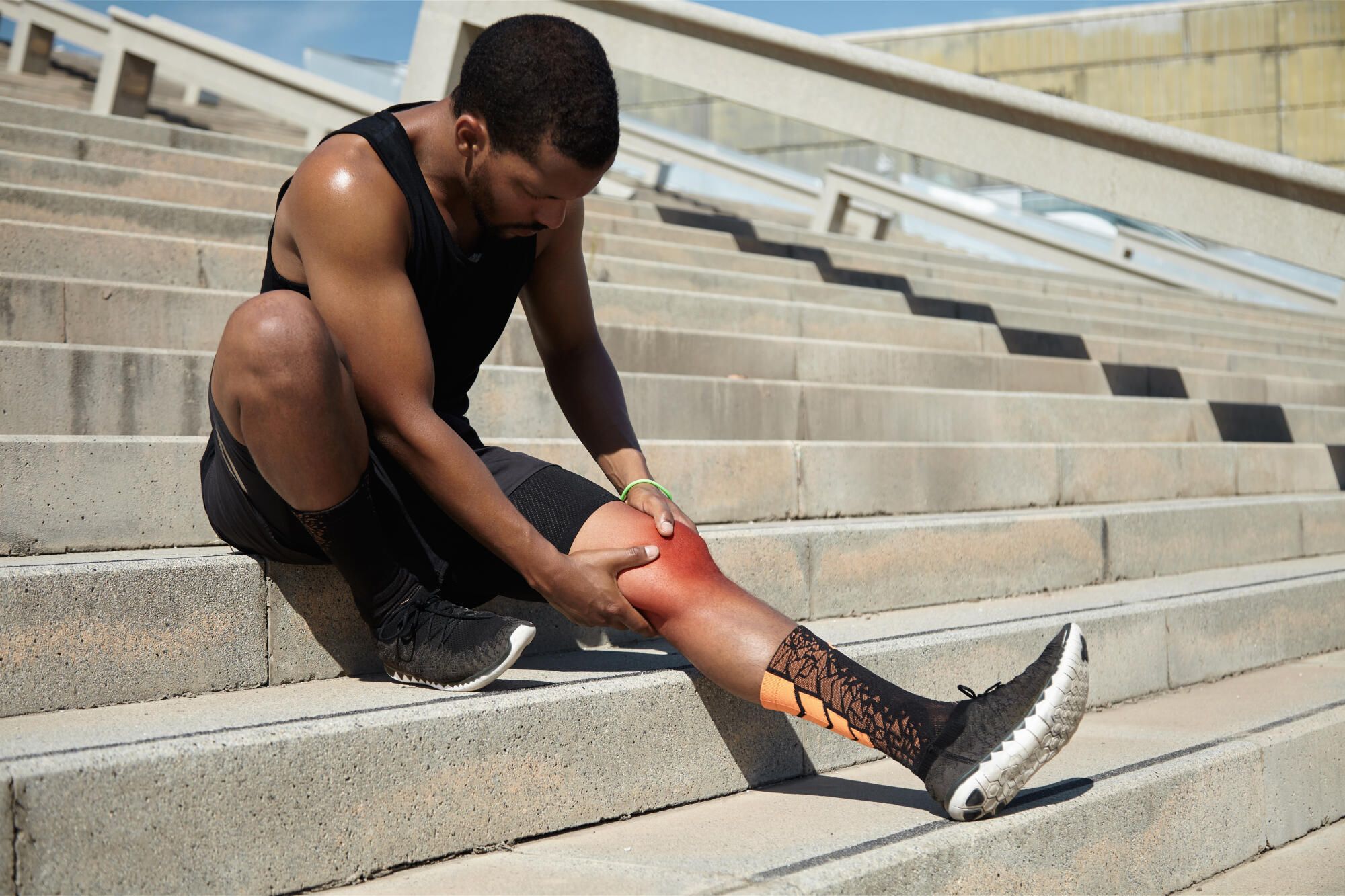
Bo Jackson’s hip injury and Sterling Sharpe’s neck injury are two career-ending injuries that changed sports history. Both stopped elite players at their peak and left fans wondering what they might have achieved. These athlete injuries also changed how their careers were judged.
The National Safety Council reports that 4.4 million people received emergency room care for injuries involving sports and recreation equipment in 2024. That total rose 17 percent from 2023. Most cases never became national news, but bad moments can live in public memory for decades.
The most famous sports injuries do more than remove a player from a lineup. They change records and reveal how fragile careers can be.
Bo Jackson Lost Football and Fought Back in Baseball
Bo Jackson was a rare star in both the NFL and Major League Baseball. During a playoff game on January 13, 1991, a tackle drove his left leg backward and dislocated his hip.
The damage was far worse than many people expected. Orlando Health explains that Jackson developed avascular necrosis after the injury, which meant part of the bone lost its blood supply. He needed a hip replacement and never played football again.
Jackson later returned to baseball with an artificial hip. He retired after 1994. His story became one of the great iconic injury stories because it ended a two-sport career that seemed almost impossible.
Professional players have contracts and team doctors, while most injured people have fewer resources. Someone hurt because of another party may decide to contact Shull + Klenda Personal Injury Lawyers for guidance about the next step. Jackson’s case was different, but it shows how suddenly health and earning power can change.
Sterling Sharpe Built a Hall of Fame Case in Seven Seasons
Sterling Sharpe left the NFL at age 29 after a neck injury ended his career in 1994. He had just caught 18 touchdown passes for Green Bay during his final season. That sudden finish became an athlete career-ending story that fans debated for years.
Sharpe made five Pro Bowls and earned three first-team All-Pro selections. The Pro Football Hall of Fame notes that his career lasted only seven seasons. Voters finally chose him for the Hall’s 2025 class.
His induction changed the meaning of that short career. Sharpe did not need years of average play to prove his value. His peak survived the injury and decades of debate.
Sharpe’s case shows why game-changing sports injuries can affect more than one athlete. Green Bay had to replace its top receiver. Hall voters later had to decide how much lost time should matter.
What Athlete Injuries Still Teach Sports
These stories remind fans that statistics never capture the full cost of an injury. Jackson lost the football future that once appeared limitless, while Sharpe lost the seasons that could have made a difference in his career.
Both men still built legacies from what they completed before the final play. The lasting impact of these athlete injuries will be remembered for years to come. Explore more of our website for the latest sports news and updates.