What changing supply chains mean for everyday vehicle repairs

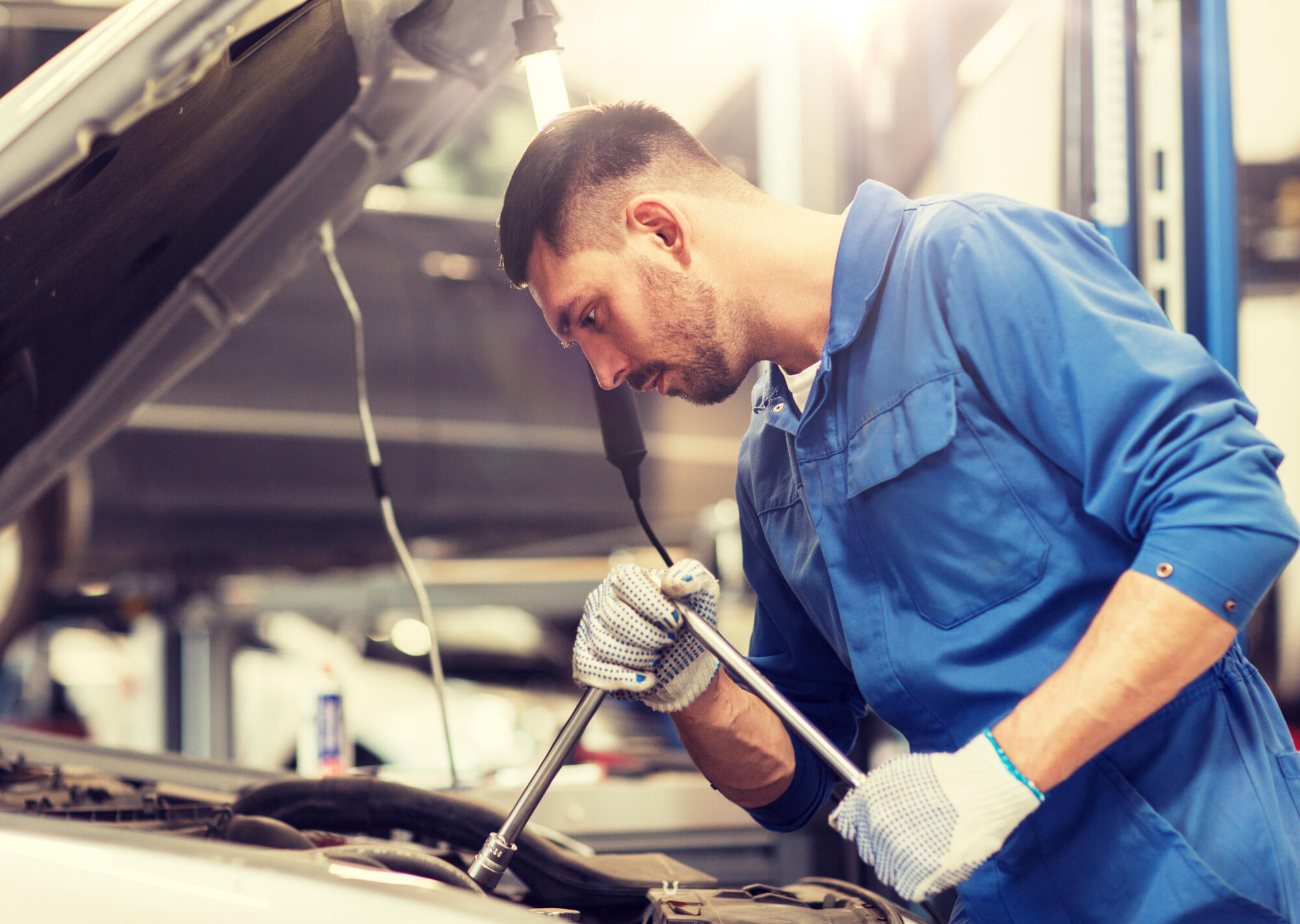
What changing supply chains mean for everyday vehicle repairs is that parts availability is becoming less predictable, and repair costs are increasing. Repair shops are also relying more on alternative parts, and technology and diagnostics are playing a bigger role.
The EPA says that a typical passenger vehicle emits about 4.6 metric tons of carbon dioxide per year, so it’s essential to keep your car in the best shape possible. This can not only help reduce emissions, but also keep you safer on the road.
There are changing supply chains, though, and this is affecting everyday vehicle repairs. Here’s what the impact of supply chains looks like for the average car owner.
Is Parts Availability Becoming Less Predictable?
The supply chain system looks very different from what it did a few years ago, so there are new car repair challenges. Parts that were once easy to source can now take days or even weeks to arrive, especially for imported vehicles or specialty components.
Everyday drivers may experience longer repair timelines for issues that previously could have been fixed in a single visit. Even common items like the following may occasionally face shortages depending on manufacturing slowdowns or shipping disruptions:
- Sensors
- Bumpers
- Electronics
- Brake components
This shift highlights the importance of routine maintenance and addressing small issues for drivers.
Vehicle Repair Costs Are Increasing
Changing supply chains are also affecting the cost of vehicle repairs. When manufacturers and distributors face higher overhead, these increases are often passed down through the repair process.
Drivers may notice higher estimates for:
- Collision repairs
- Electronic diagnostics
- Replacement components tied to driver-assistance systems
One of our best vehicle maintenance tips is to keep up with preventive maintenance and compare estimates to reduce unexpected financial strain.
Are Repair Shops Relying More on Alternative Parts?
Since supply chain disruptions can limit access to original equipment manufacturer (OEM) parts, many repair facilities are using aftermarket or recycled components from sources like OVOKO when appropriate.
Not all replacement parts are equal, though, so reputable repair shops carefully evaluate the following before installation:
- Compatibility
- Safety
- Warranty standards
Vehicle owners should understand the differences between OEM, aftermarket, and recycled options, and they shouldn’t be shy about asking repair shops questions about the origin of replacement parts.
Technology and Diagnostics Are Playing a Bigger Role
Supply chain changes are pushing repair shops to become more strategic and technology-driven in how they diagnose and complete repairs. Advanced diagnostic systems now help technicians identify problems more accurately before ordering parts. This reduces delays caused by incorrect purchases or repeat repairs.
Several shows also use digital inventory systems that track supplier availability in real time. This lets them locate components faster across regional and national networks.
Customers may notice more detailed inspections, digital updates, and repair planning processes designed to improve efficiency and minimize downtime.
Today’s Vehicle Repairs Have Changed
Vehicle repairs may take longer and be more expensive nowadays, especially since there are supply chain disruptions. This makes it vital for car owners to be proactive and take care of minor issues before they grow into larger ones.
To find more articles like this one, keep browsing our site now.