How to build a gut-friendly diet without changing everything you eat
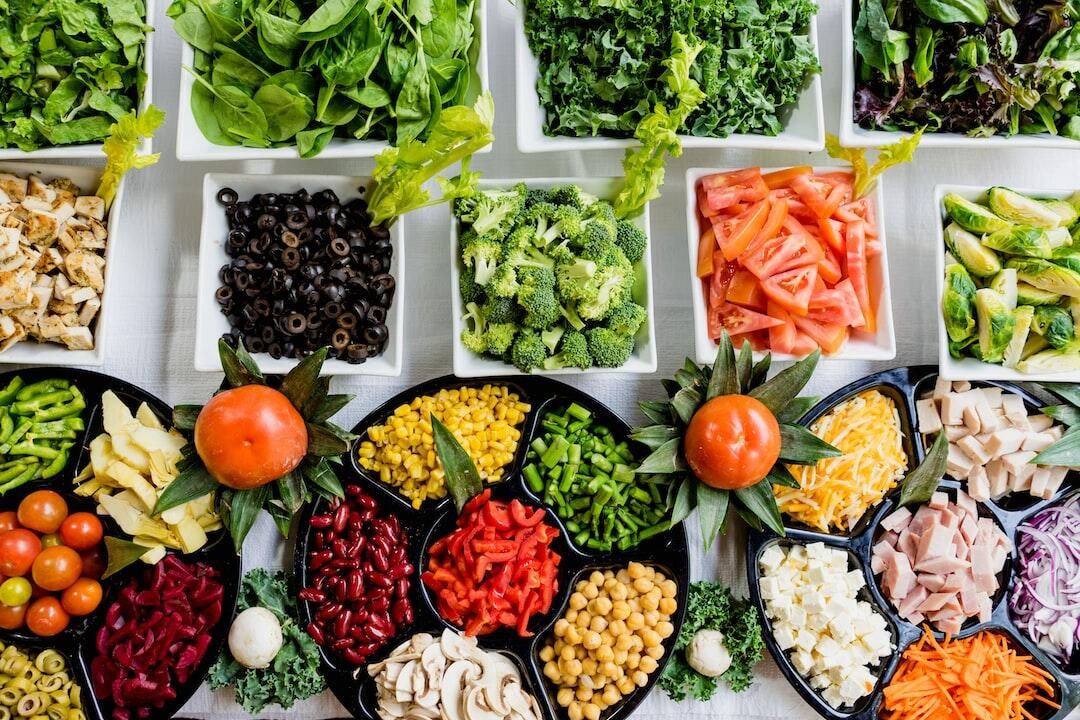
To build a gut-friendly diet without changing everything you eat, you should start by adding gut-friendly foods instead of cutting everything out and make small swaps to increase fiber. You should also keep your favorite foods and adjust portions, and build a routine that your digestive system can handle.
BBC Science Focus reports that around 10% of the world’s population has irritable bowel syndrome (IBS), and millions don’t even know they have it. Whether or not you have IBS, it’s important to eat a gut-friendly diet, as you can improve digestion naturally and feel better after every meal.
If you’re worried about having to do a complete change to your diet, then don’t be. There are easy ways to improve gut health with small changes.
Start by Adding Gut-Friendly Foods Instead of Cutting Everything Out
A gut-friendly diet doesn’t have to begin with a long list of forbidden foods and digestive health foods. A more sustainable approach is to add foods that support digestive health while keeping most of your usual meals intact.
You can try incorporating fiber-rich foods gradually, such as:
- Oats
- Beans
- Lentils
- Vegetables
- Fruits
- Nuts
- Seeds
Fermented foods can also be useful additions for some people.
Can You Make Small Swaps to Increase Fiber?
You can get healthy gut bacteria by improving the fiber content of familiar meals without completely changing what you eat. For example, you can swap whole-grain bread for white bread, or brown rice and quinoa for white rice. You can also add beans to tacos, soups, salads, and pasta dishes.
The key is to increase fiber gradually rather than suddenly, as a sharp change can lead to bloating, gas, or abdominal discomfort. In addition, different types of fiber can have different effects, so variety matters.
Keep Your Favorite Foods and Adjust Portions
Eating for better digestive health doesn’t necessarily mean eliminating pizza, pasta, desserts, or other foods you enjoy. If you already have easy gut-friendly meals, then consider:
- How much you eat
- How frequently you eat it
- What you pair it with
For instance, adding a source of protein and produce to a meal can make it more balanced without requiring an entirely new recipe. Paying attention to your own responses is important because foods that cause digestive symptoms vary considerably between individuals.
How Can You Build a Routine That Your Digestive System Can Handle?
Consistency can be just as important as individual food choices. You can create a more predictable routine without requiring major dietary changes by:
- Eating regular meals
- Staying adequately hydrated
- Giving yourself enough time to eat
- Taking a supplement that supports balance within the gut microbiome
If you’re increasing fiber or introducing fermented foods, give your body time to adapt rather than making several major changes at once. Keep track of what works and adjust accordingly.
Get on a Gut-Friendly Diet
A gut-friendly diet should ultimately fit your existing lifestyle, budget, cooking habits, and preferences. It’s important to make slow and small changes, as that’ll give your body more time to adjust smoothly.
If you found this post helpful, then keep reading our website now.