How sports pressure can affect teen anxiety
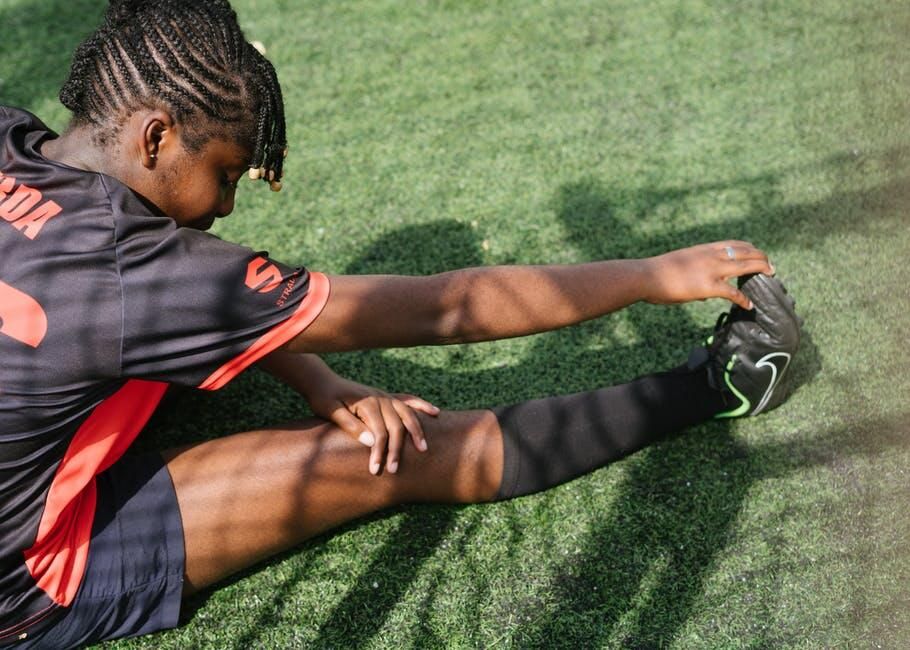
Competitive sport can raise anxiety in teenagers through performance expectations, punishing schedules, and aspirations that are tied to sports performance. It’s common for teens to tie self-worth to results, experience year-round schedules with little recovery time, and suffer the anxiety of losing a place, a scholarship, or an identity built entirely around one sport. A sport that builds confidence in one young athlete can quietly erode it in another.
A 2026 narrative review in Discover Mental Health, drawing on 45 studies of athletes aged 12 to 19, found elevated anxiety in roughly 40% to 50% of adolescent athletes, with burnout affecting 35% to 45% of those in endurance sports.
Why Sports Pressure Bites Harder Than Other Stress
Sports pressure differs from academic or social stress because performance is public, immediate, and repeatedly measured. A bad test result is relatively private. But a missed penalty happens in front of teammates, coaches, and parents, potentially bringing a ton of anxiety with it.
Research suggests that early specialization compounds the risks. A study in the Journal of Clinical Medicine noted that young athletes who specialize early are more likely to suffer from:
- Social isolation
- Emotional dysregulation
- Burnout
When one sport is your whole identity, a poor season isn’t something you can brush off lightly. It can have a devastating impact on a teen’s self-worth, leading to anxiety and depression.
What Parents Might Notice
Signs often appear away from the field before they appear on it. A panic attack or another distressing episode is not the only sign of an anxiety disorder. Signs may be more subtle, and parents may notice generalized anxiety disorder showing up as:
- Sleep problems
- Stomach aches, headaches, or nausea
- Irritability, withdrawal, or unusual tearfulness
- Dreading events they used to enjoy
- Perfectionism
Seeking medical advice at this stage is wise before symptoms become more severe.
When It’s More Than Nerves
Pre-game nerves are normal and usually fade once play starts. But as we’ve seen, generalized anxiety disorder looks different. It involves persistent, hard-to-control worry across many areas of life, lasting months, and present whether or not there’s a game that weekend.
Depression and anxiety frequently occur together in this age group, particularly after injury, which removes both the activity and the social structure around it at once.
Getting Help Early
Anxiety treatment for adolescents is effective, and it works better the earlier it starts. Approaches like cognitive behavioral therapy help teens recognize the thought patterns driving the worry. Families can do much to support teens through anxiety treatment and help them achieve the best outcomes possible.
Behavioral health services in Fresno can assess whether what you’re seeing is ordinary competitive stress or something needing structured support.
Support Your Sports-Loving Teen Through Anxiety
Sports pressure can be a healthy part of teenage life, but parents and coaches must be alert to signs it’s turning into unhealthy anxiety. Keep the lines of communication open with your teen and help them keep sport in its place as just one aspect of who they are.
For more Indiana sports coverage from high school through the pros, explore the rest of our stories.